More Information
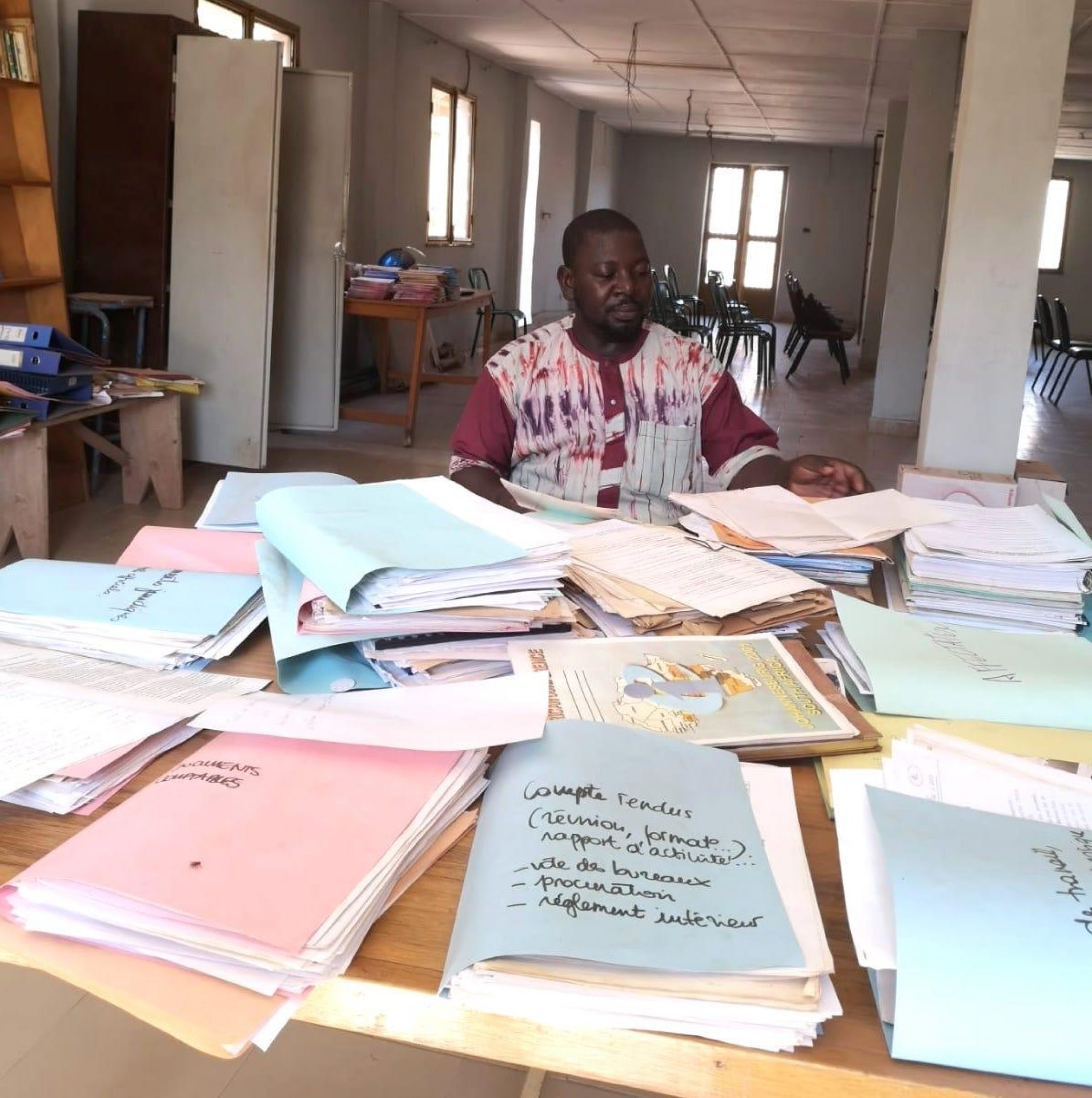
Not all MEAP Grants result in published digital collections. MEAP Planning Grants(opens in a new tab) are used to organize, identify, and document collections, resulting in surveys, inventories, finding aids, and reports. Most often, these projects prepare collections for digitization, but the grant is not focused on digitization. Instead, project teams have time to work with collection holders, identify the scope of a collection, organize and categorize the material, and create meaningful documentation that enables access.
In seven rounds of funding, MEAP has issued 72 Planning Grants(opens in a new tab), supporting archival organization and description in 45 countries, ensuring that these collections are properly cared for and ready for digitization in the future. What has become clear over these seven years is that MEAP Planning Grants facilitate more than just archival organization – they spark community engagement, knowledge exchange, and professional development.
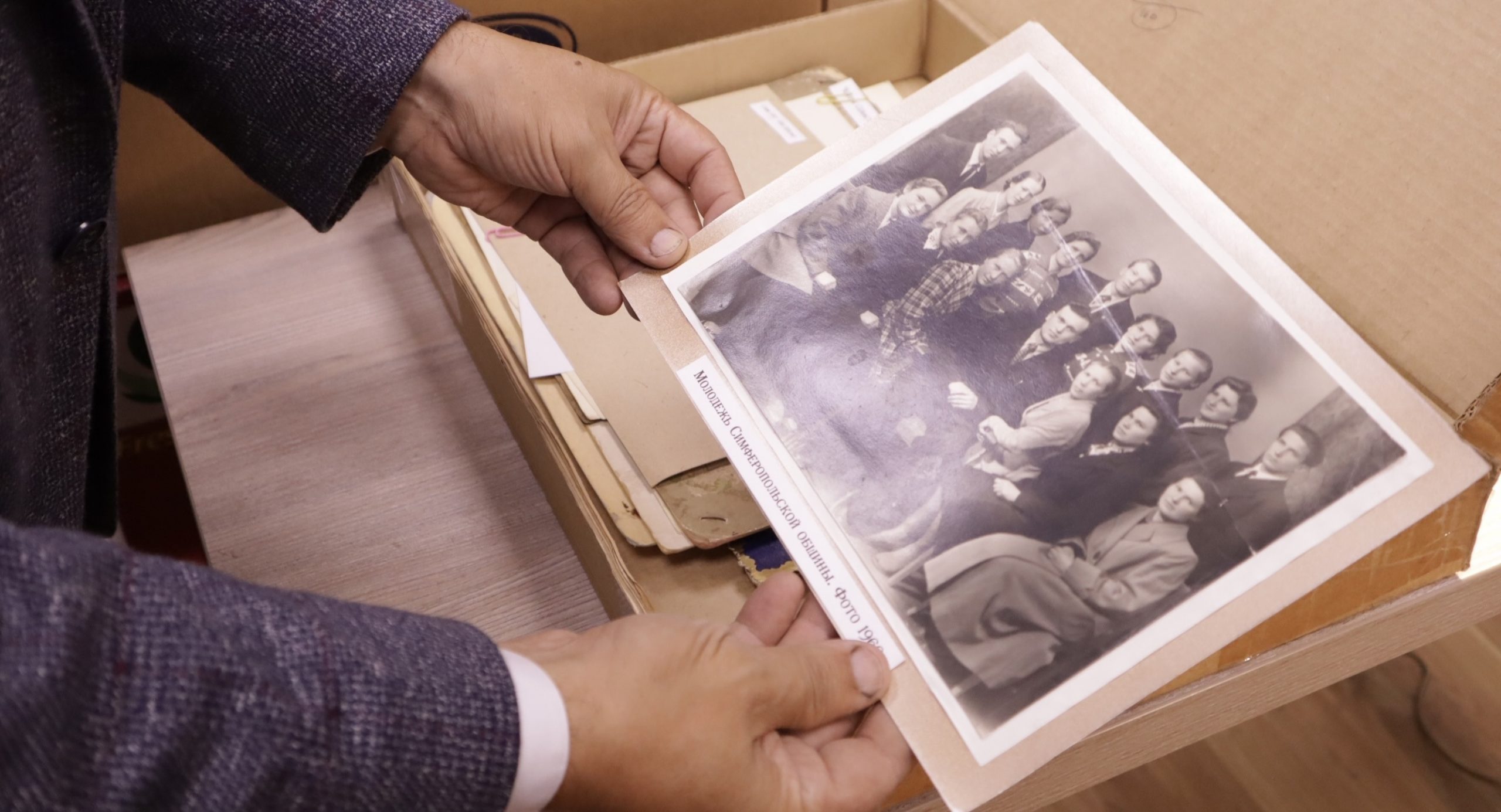
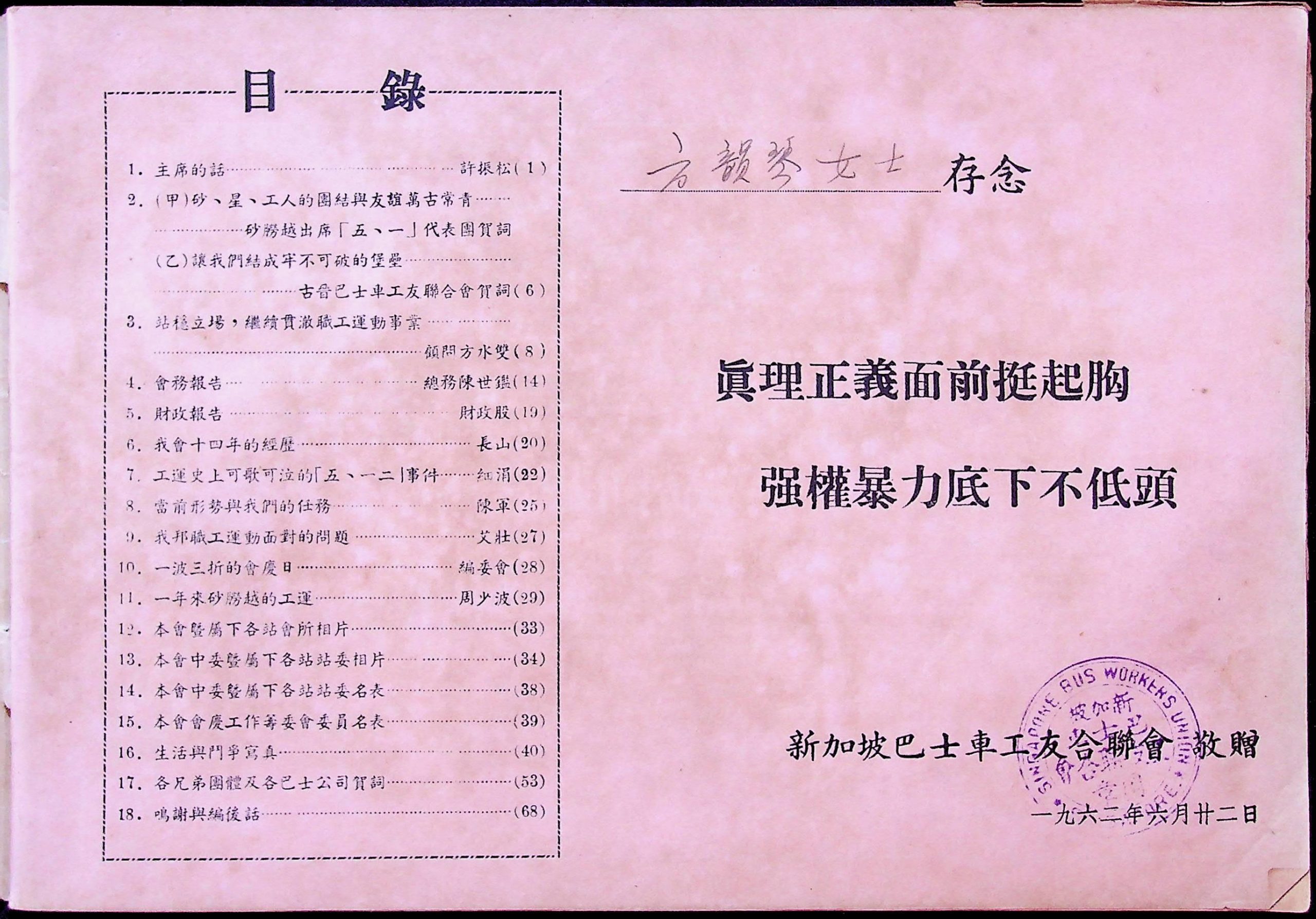
Planning Grant teams have been wildly successful in each of these areas and the MEAP team wants to showcase some of this work. Below are four examples of recently completed Planning Grants that reveal how funding at early project stages can yield big impact: (1) In Ukraine, the project team defined meaningful categories and identified material across the Adventist Archive in Bucha to tells a community story of resilience; (2) in Malaysia, the Parti Rakyat Malaysia (PRM) archive is now organized into two large series and described in detail, showcasing and creating access to the history of Malaya and Singapore's Transnational Progressive Networks; (3) in Afghanistan, the local project team catalogued the first 10 years of the Badakhshan Newspaper (1325/1946 - 1334/1955); and (4) in Mozambique, organizing the Sound archives at the Center of African Studies at the Eduardo Mondlane University in Mozambique revealed, among other recordings, oral histories of Mozambique’s liberation struggle, including interviews with former guerrilla fighters, women, peasants, and elders who lived under Portuguese colonial rule.
In each case, the project team used an MEAP grant to build trust with collection holders and invite community stake holders to participate in the process of description, ensuing that collections are well stewarded and described for the next generation to explore.
(opens in a new tab)


Digitization follows Description
For some MEAP grantees, a successful Planning Grant leads to a funded Project Grant and the work to build trust and describe collections results in robust digital collections. Each of these projects started as a Planning Grant and drew into a digitization initiative, with available content or soon to accessible digital collections.


