More Information
WAC 104: Representations — Theories and Practices (Winter 2026)
Aparna Sharma, Professor at the Dept. of World Arts and Cultures/ Dance, has led two MEAP funded projects. First, a Planning Grant to survey and organize photographs taken by anthropological photographer Ahmed Hossain across Northeast India. And, second, a Project Grant to digitize and publish Hossain’s images from select states in Northeast India. The digitization effort has been conducted in partnership with the Dr. Anamika Ray Memorial Trust, Guwahati and it aims to promote access to Hossain’s anthropological photographs.
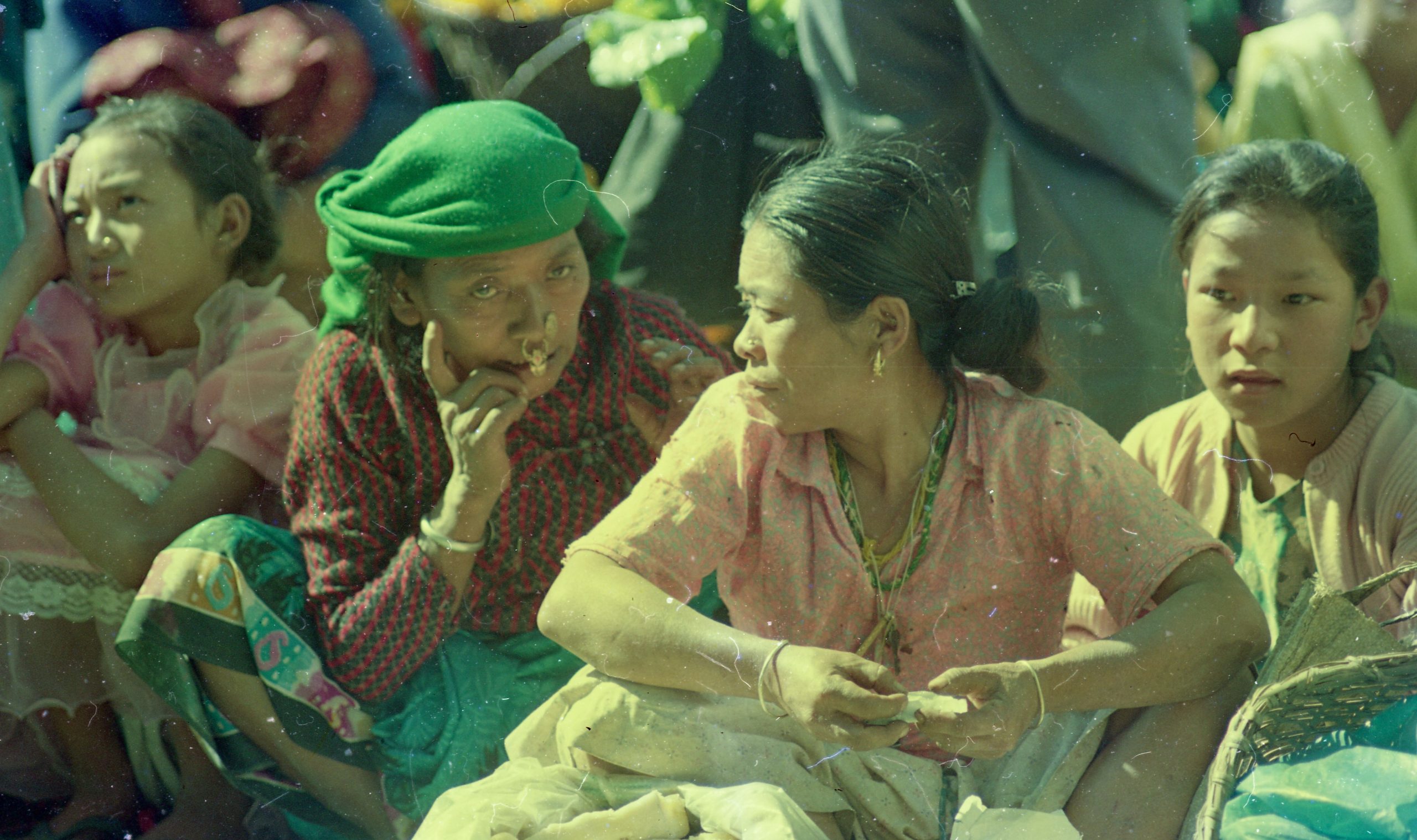
In February 2026, Dr. Sharma brought Mr. Hossain's photographs to her WAC 104: Representations — Theories and Practices course at UCLA and introduced students to Hossain's documentary photographic practice. Images explored in class were from the state of Sikkim.
WAC 104 is a core upper division required course in the World Arts and Cultures BA at WACD. A theory-practice course, WAC 104 students undertake independent arts projects that they develop throughout the term. The course introduces students to a range of representational practices with the aim of discussing historical, ethical and aesthetic issues in each. Students are encouraged to take onboard the critical discourse of this class for the projects they are developing.
Reflections from Dr. Aparna Sharma
This year WAC 104 focused on the following practices: museum curation, photography, critical moving image media and ethnography. During weeks 4 and 5 the focus was on photography. The lectures during these weeks examined the history of photography and the emergence of specialized approaches including documentary and activist photography. The lectures also raised photography’s close ties with the history of colonialism and surveillance. With regard to this, two case studies were examined. One, focused on the practice of Orientalist photography. The second pertained to my research on the history of photography in northeast India.
In my discussion I raised the distinction between colonial administrative and missionary uses of photography in Northeast India during the 19th and early-20th centuries. At the end of this discussion, I shared the Ahmed Hossain Collection as a photographic practice that responds to the history of colonial photography in Northeast India.
I emphasized how Mr. Hossain’s collection is a vital body of material developed after Indian independence and discussed features of his approach that differ from the tropes for depicting Northeast India in colonial photography.
My discussion of this collection was divided into two parts. First, I shared how this project came about and how it was developed based on an emergent research methodology involving responses to the circumstances we faced in Assam, where the digitization took place. In the second part, I focused on the anthropological discourse underpinning Mr. Hossain’s images.
- help
Visual Histories of Northeast India
Digitization of photographs from the archive of Ahmed Hossain, following a successful survey the collection. Photographs depict the socio-cultural life of Northeast India's tribal communities (1960s - 2000s). - default
Lens Lores: Life in a Moment
The MEAP Project Team, led by Aparna Sharma, Ankuran Dutta and Raja Das, have published a report on their preliminary survey work as Lens Lores: Life in a Moment. - default
Ahmed Hossain Photographic Archive (India)
Browse photographs from the Ahmed Hossain Photographic Archive. Images from India’s northeast document life in this remote, mountainous region.